News
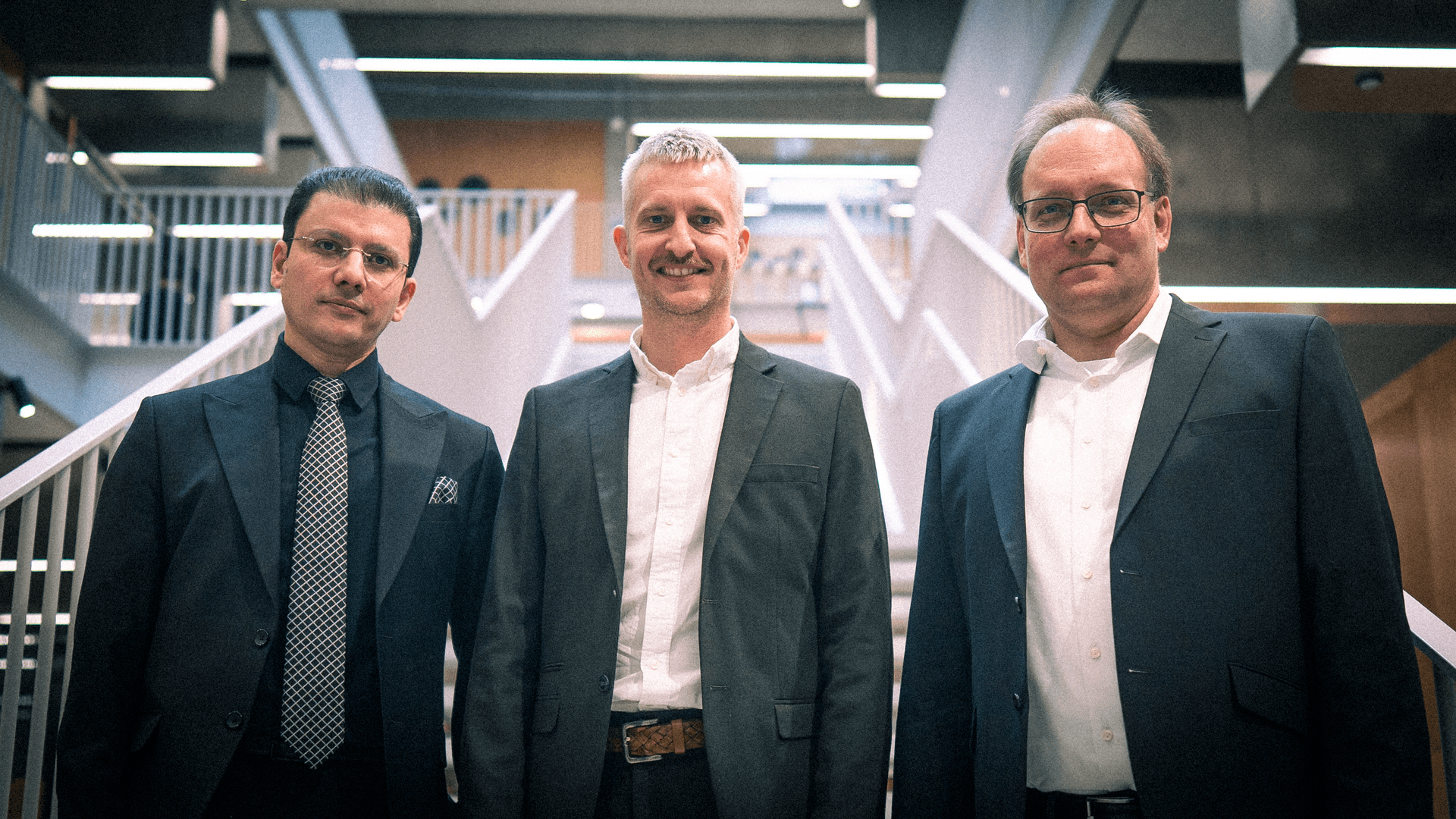
Three new professors to strengthen the capacity of AAU in the green transition
Published online: 05.02.2026
News
Three new professors to strengthen the capacity of AAU in the green transition
Published online: 05.02.2026
Three New Professors to Strengthen the Capacity of AAU in the Green Transition
News
Published online: 05.02.2026
News
Published online: 05.02.2026
By Søren Mølgaard, AAU Communication and Public Affairs
Electrification is a cornerstone of the green transition, but as more and increasingly powerful electrical systems are interconnected, the risk of electromagnetic interference grows.
Fast chargers, data centers, power electronics, and energy systems must be able to operate side by side without disrupting each other.
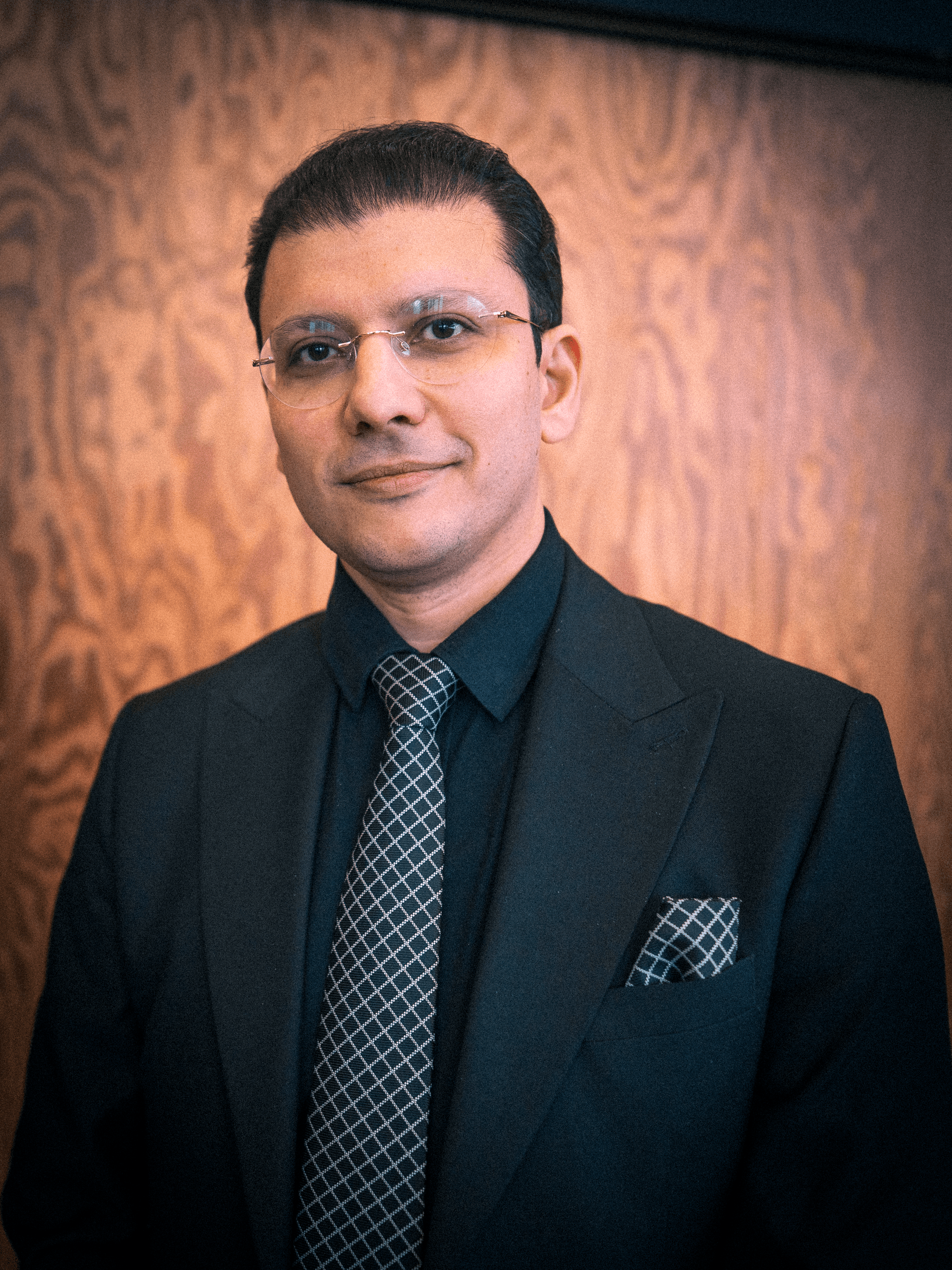
In the future, with Professor Pooya Davari’s research on methods to simulate, predict, and manage electromagnetic interference during the design phase, compatibility can be documented early and systematically.
This way, the industry can meet new standards, and the rollout of green technology will not be delayed.
“In practice, it is often not efficiency that limits electrification, but compatibility and stability in systems where many technologies and vendors must operate together under varying conditions,” the newly appointed professor explains.
Pooya Davari has a background in power electronics and has for several years worked on electromagnetic compatibility, harmonization, and reliability in electrical systems. He currently leads EMI/EMC research in power electronics at AAU and actively participates in international standardization.
Stability and reliability are not only challenges in electronic systems. The same increasing demands apply to the hydraulic systems that underpin everything from wind energy and offshore energy systems to industrial machinery and processes.
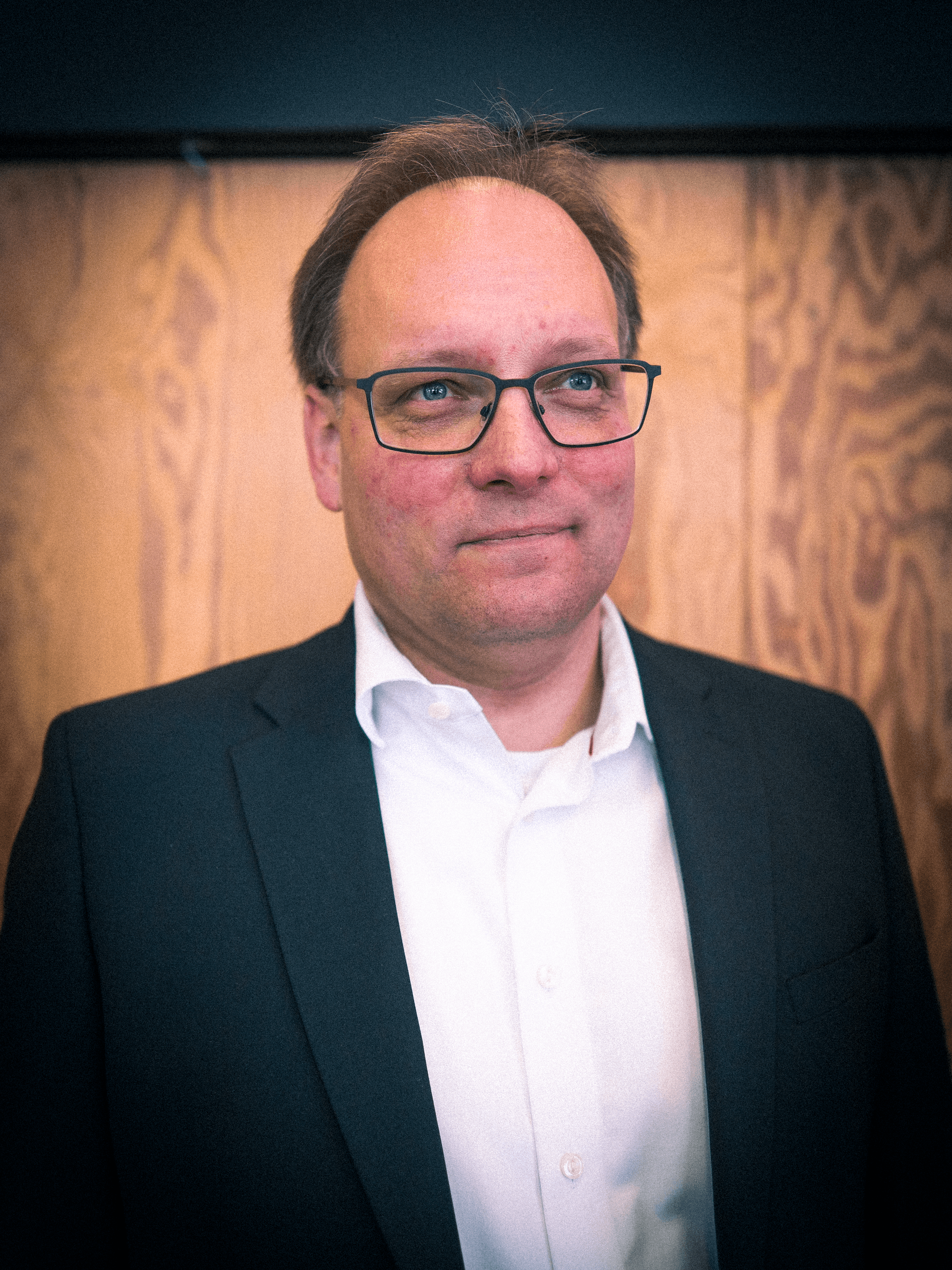
Professor and Vice Head of Department Henrik C. Pedersen works with monitoring and fault detection in hydraulic systems – including wind turbine pitch systems, which are critical to turbine operation.
“Hydraulic systems are characterised by extremely large forces and are therefore often used in critical applications where reliability requirements are high,” Henrik explains.
By understanding fault mechanisms and combining sensor data with advanced signal analysis, faults can be detected earlier and maintenance planned before problems arise.
“It is an extremely complex, multiphysical task to understand these fault mechanisms and link them to small signal deviations, which may be caused by particles from other components, lubrication properties of the oil, sensor placement, or wind effects on the measurements.”
Henrik C. Pedersen has worked with mechatronic and hydraulic systems at AAU for more than two decades, with a particular focus on renewable energy applications, where operational reliability is a key factor.
Even with a comprehensive transformation of the energy system, some sectors will remain difficult to decarbonise. Here, carbon capture, CO₂ utilisation and green fuels play a central role – but only if the technologies can be integrated in a robust and economically sustainable way.
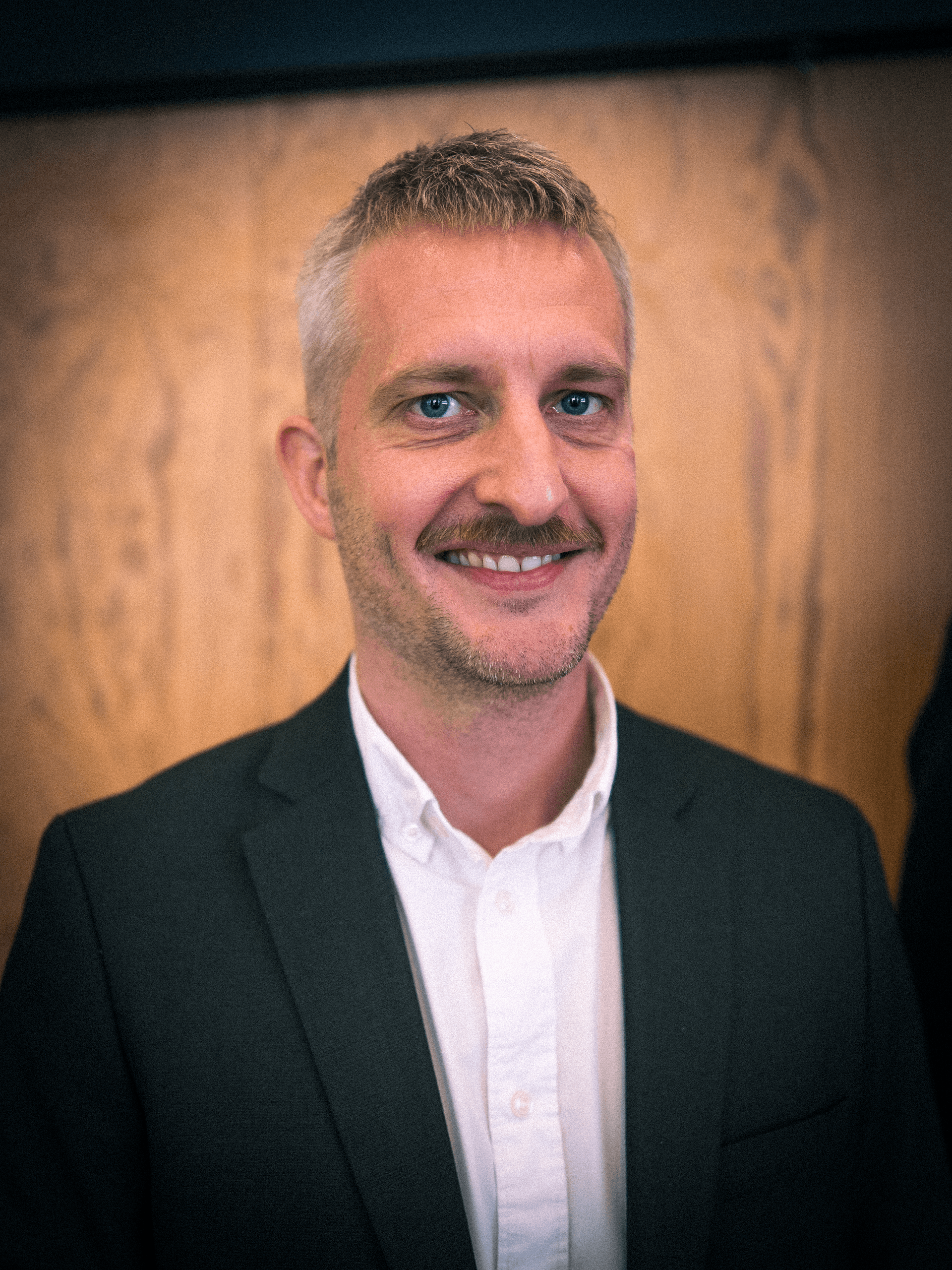
Professor Thomas Helmer Pedersen works with hydrothermal processes for producing carbon-based fuels, direct air capture of CO₂, and the integration of these technologies into future energy systems.
“The biggest technical challenge in converting biogenic materials into liquid fuels is demonstrating that the chemical processes also work under extreme conditions at relevant industrial scale,” the professor explains.
According to the researcher, society will need negative emissions to compensate for residual emissions that cannot readily be eliminated economically or technically.
“If we are to have any chance of delivering millions of tonnes of negative CO₂ emissions nationally from 2050 onwards, we must identify potential winning technologies within the foreseeable future,” Thomas Helmer emphasises.
Thomas Helmer Pedersen works at the intersection of process development and energy systems analysis and has repeatedly highlighted the need for coherence between technological development, CO₂ cycles and system integration.
Together, the three new professorships point towards a future in which research and industrial application are strengthened to support a green energy transition that is robust, scalable and resource-efficient – spanning power grids and energy infrastructure, industrial systems and CO₂ capture.