News
AAU builds mini version of tomorrow’s energy system
Published online: 25.11.2025
News
AAU builds mini version of tomorrow’s energy system
Published online: 25.11.2025
AAU builds mini version of tomorrow’s energy system
News
Published online: 25.11.2025
News
Published online: 25.11.2025
By Caspar Birk, AAU Communication and Public Affairs
Photo: Lars Horn/Baghuset
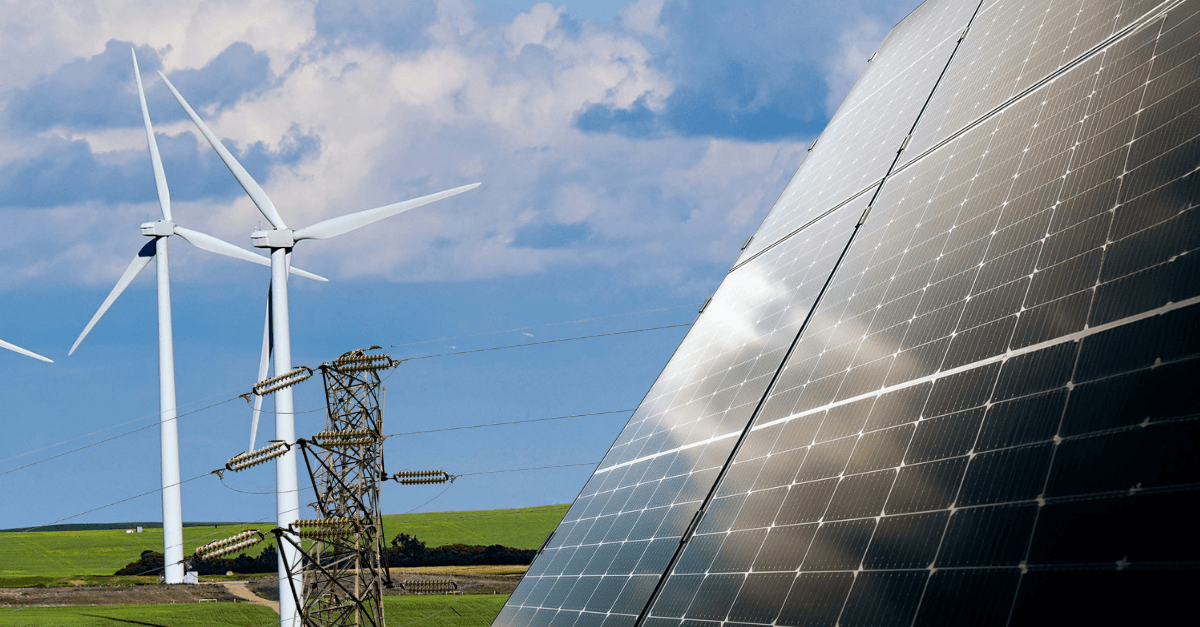
Aalborg University is now taking a significant step towards rethinking how to teach students across disciplines about the energy systems of the future. In the coming years, ENERGY HUB will be built in the backyard of the Department of Energy where it will become part of the 6,000 square meters of laboratories that already exist at the department.
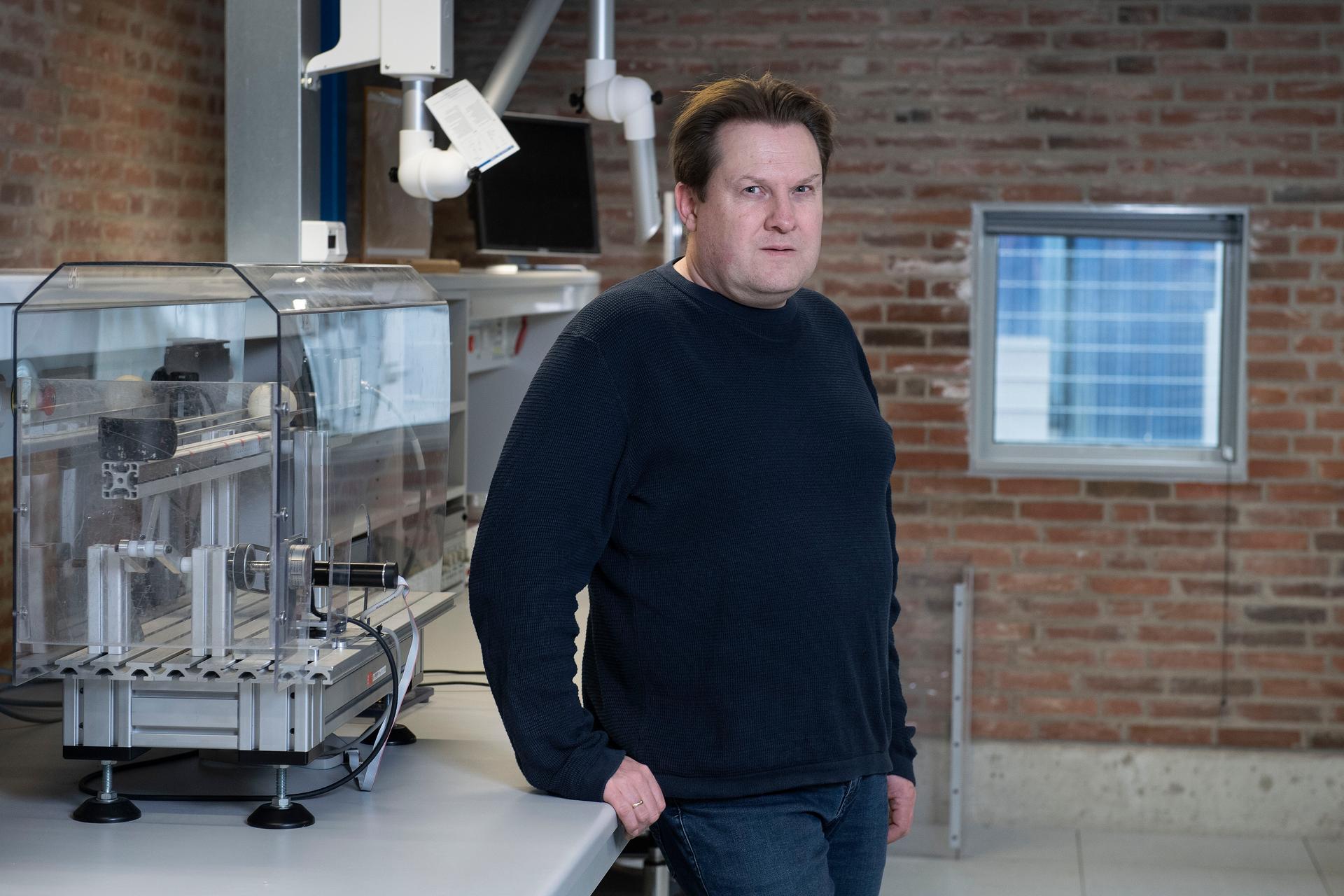
"We are creating a platform where we don’t just teach about the energy systems of the future – we build them. It will be sort of a mini-version of the energy system that society needs to develop. Here, students can work experimentally and in an interdisciplinary way on real technologies and problems," says Professor Mads Pagh Nielsen, Vice Head of the Department of Energy and project manager of ENERGY HUB.
In addition to a new way of teaching engineering students, the ambition is also to create 50 leadENG projects over the next six years, which is a significant scale-up compared to the number of projects normally carried out annually at the university.
LeadENG projects are AAU's award-winning model for interdisciplinary, problem-based student projects where groups from different degree programmes collaborate to develop specific solutions; examples include a vertical-axis wind turbine, an underwater drone or sustainable building materials.
"This is a quantum leap in ambition. It's a huge boost, and it gives us the opportunity to build something that can make a really significant difference," says Mads Pagh Nielsen with a smile and continues:
"This isn’t just about technology. The energy systems of the future also require an understanding of the societal, political and human aspects. So, ENERGY HUB is a project for the whole of Aalborg University, from engineers and planners to business economists and lawyers."
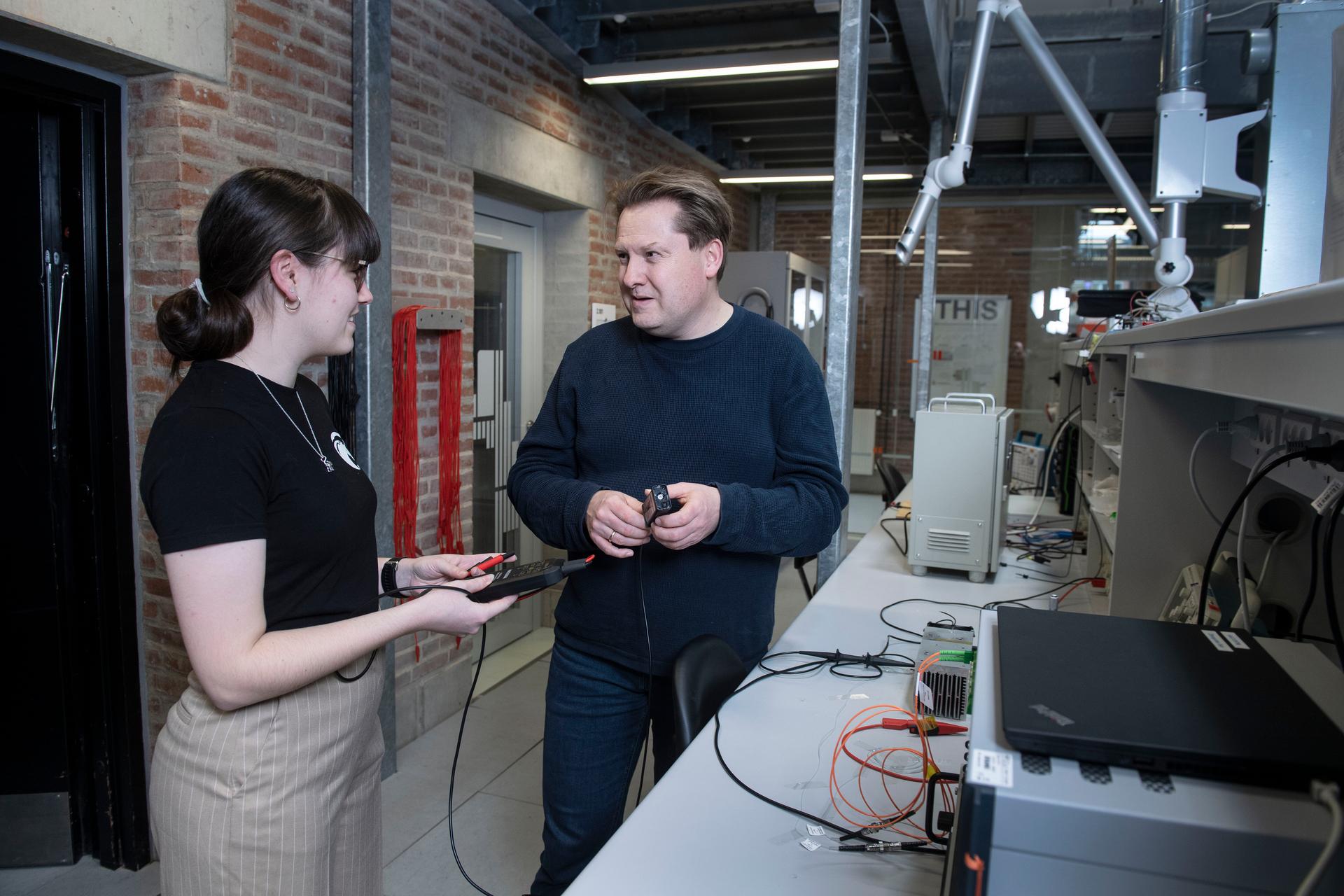
However, ENERGY HUB will not only be for AAU's own students. A central objective is to engage upper secondary and primary schools throughout the country. The project's ambition is to host visits by up to 5,000 students who will be introduced to the energy systems of the future, take part in building the environment, and at the same time be inspired to apply to Aalborg University.
"We know that young people who come out and experience something at university are much more likely to choose a degree programme in STEM. So, we have set aside funds for upper secondary schools to cover travel costs and have access to hands-on teaching," says Mads Pagh Nielsen.
The Novo Nordisk Foundation has donated DKK 53 million to the project and sees ENERGY HUB as an important step towards strengthening young people's interest in science and technology.
"At the Novo Nordisk Foundation, we are proud to support ENERGY HUB. The idea of letting students design and build a mini-energy park as part of their education is innovative, and it will really strengthen their understanding and competencies when it comes to sustainable energy systems," says Berith Bjørnholm, Vice President, Education & Outreach, and adds:
"ENERGY HUB also provides a unique opportunity to give primary and upper secondary schools as well as the general public greater insight into the importance of transitioning to sustainable energy. In the long term, the initiative will help build the necessary workforce and create the societal support required for Denmark to achieve its goal of being independent of fossil fuels by 2050."
Facts about ENERGY-HUB